
What is Therapeutic Iyengar Yoga?
Therapeutic Iyengar Yoga is based on B.K.S. Iyengar’s method of precise alignment, intelligent sequencing, and the extensive use of props such as blocks, blankets, belts, bolsters, chairs, and wall support.
Unlike general yoga classes, this approach allows the practice to be adapted to the individual — supporting specific injuries, chronic conditions, postural imbalances, pain patterns, and emotional or nervous system challenges.
Each session is designed to:
support healing without strain
strengthen weak or compromised areas
improve alignment and body awareness
reduce pain and discomfort safely
This makes it especially effective for those who need care, precision, and therapeutic attention, not intensity.
How does Yoga Therapy work?
Yoga therapy works by activating the body’s own natural intelligence to heal.
Asanas have an inbuilt healing potential.
When postures are practiced with correct alignment, appropriate sequencing, and mindful adjustments, the body begins to reorganise, release strain, and restore balance.
Incorrect or rushed practice can aggravate issues.
Correct, supported practice — even when simple — can create profound shifts.
Through:
precise alignment
thoughtful sequencing
adequate support and rest
patience and consistency
the body is gently guided back toward stability, strength, and ease.
Healing unfolds not through force, but through awareness, trust, and allowing the process to work.
A gentle note : This work requires:
consistency
patience
faith in the process
When approached with sincerity, the practice becomes a quiet collaboration between the student and the method, allowing healing to happen naturally over time.
🌿 THERAPEUTIC IYENGAR YOGA🌿
The Unalome
A slow, precise, and alignment-based yoga practice designed to support pain relief, mobility, and nervous system balance.
This is not a fitness or flow class.
Each session is carefully structured using props, supported postures, and individual corrections to ensure safety and effectiveness.
✨ This practice is suitable for:
• Back, knee, neck & shoulder pain
• Stiffness, fatigue & burnout
• Peri-menopause & post-menopause support
• Beginners seeking a safe foundation
• Anyone needing a slower, therapeutic approach
🧘♀️ PROGRAM DETAILS
• Iyengar-based therapeutic practice
• Small, fixed batches (max 6 students)
• Individual attention & alignment corrections
• Props-supported asanas
• Restorative closing for nervous system regulation
⏱ Duration: 60 -75 minutes
📅 Frequency: 3 - 4 classes per week
💰 Monthly Program Only (no drop-ins)
Why Props Matter in Iyengar Yoga
In Iyengar Yoga, props are not used because the body is weak or limited.
They are used because the practice is precise, intelligent, and therapeutic.
Props allow yoga to meet the body as it is today — not where we think it should be.🌿 What props do
Props such as blocks, blankets, bolsters, belts, chairs, and wall support help to:
create correct alignment without strain
support injured, stiff, or fatigued areas
reduce pain and compression in joints
allow poses to be held safely for longer durations
improve awareness of the body in space
calm the nervous system
Rather than forcing the body into a posture, props help the body settle into the pose.
Why alignment needs support
Every body is different.
Differences in:
bone structure
flexibility
strength
past injuries
emotional stress
mean that the same pose looks and feels different for each person.
Props allow alignment to be customised, so the posture works for the body instead of against it.
🌿 Props in therapeutic practice
In therapeutic Iyengar Yoga, props are essential tools for healing.
They help:
decompress the spine
balance asymmetries (such as in scoliosis)
protect sensitive joints
restore confidence after injury
allow rest without collapse
This makes the practice safe, sustainable, and deeply effective, especially for those dealing with pain, fatigue, or recovery.
🌿 Strength comes from support
One of the core principles of Iyengar Yoga is that true strength arises from stability and clarity, not from struggle.
When the body feels supported:
unnecessary tension reduces
breath becomes smoother
awareness improves
healing responses activate naturally
Support does not weaken the practice — it deepens it.
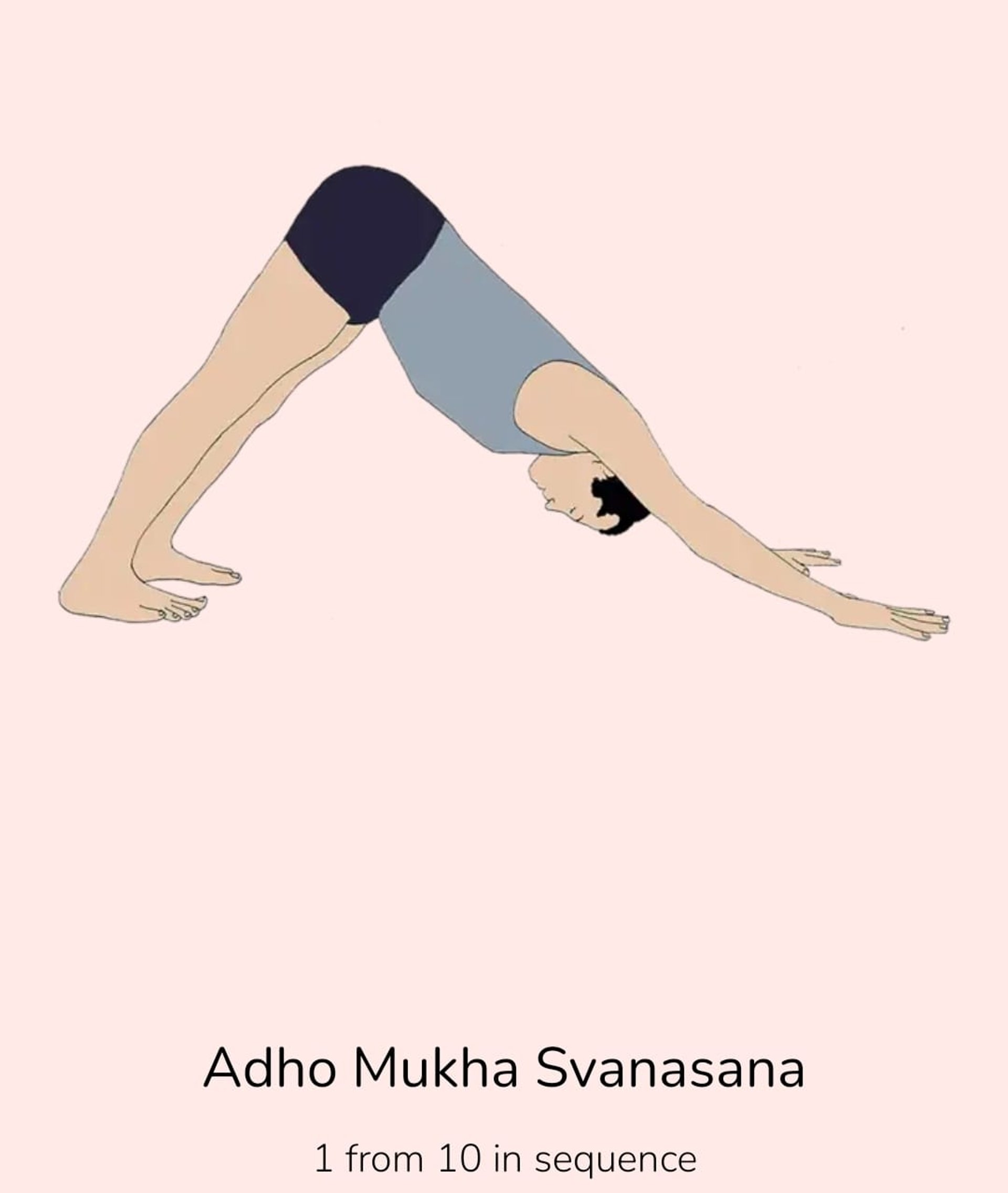
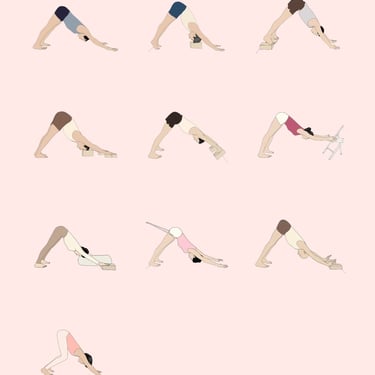
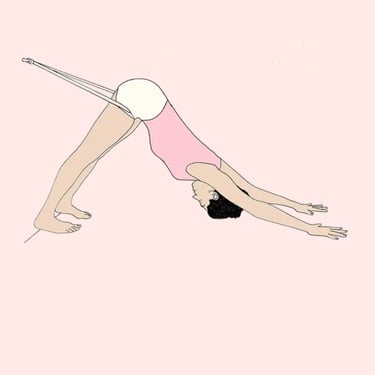
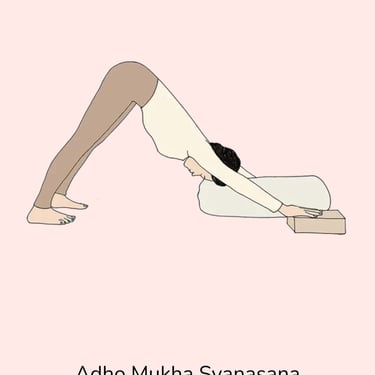
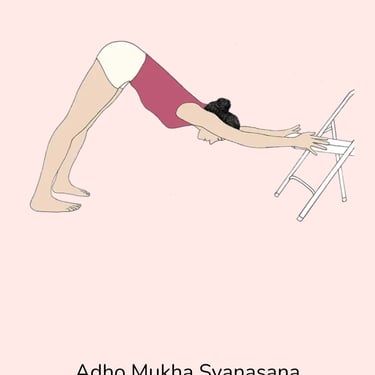
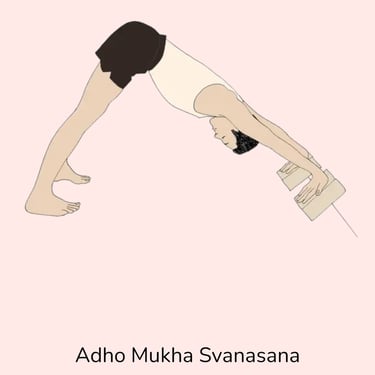
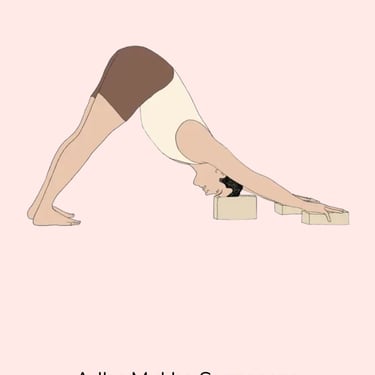
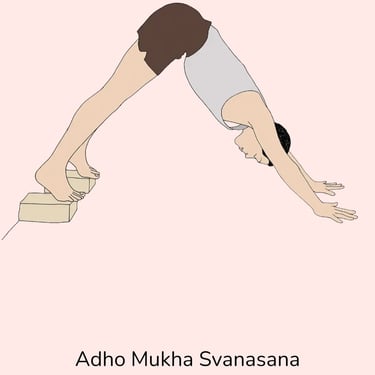
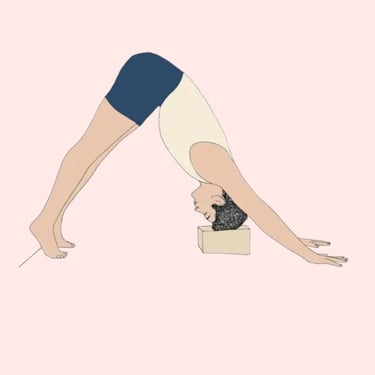
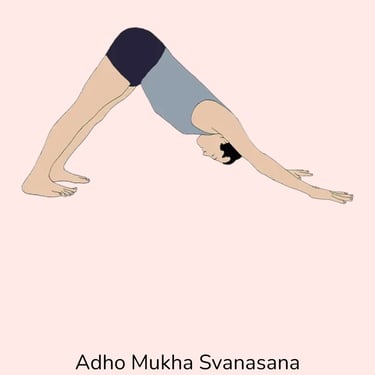
A therapeutic perspective -Adho Mukha Svanasana
In Iyengar Yoga, Adho Mukha Svanasana is not treated as a “basic pose” but as a diagnostic and healing tool.
The way the body enters, holds, and exits the pose reveals patterns of imbalance, fatigue, or strain — allowing the practice to be adjusted intelligently and safely.
When taught with precision, patience, and support, this asana becomes a powerful ally in healing, recovery, and long-term structural health.
Legal Name: SERENIQ WELLNESS (OPC) PRIVATE LIMITED
Address : Flat No 14284, Prestige lakeside habitat, Gunjur, Bangalore North, Bangalore- 560087, Karnataka
© 2025. All rights reserved.

Whatever comes,
let it come.
whatever stays,
let it stay.
whatever goes,
let it go.
Trust the process......